


Info

Physia Clinic Blog
10
Feb

We are pleased to share the key highlights from our recent participation at Arab Health, where we showcased our advanced physiotherapy exercise prescription technology. Our booth served as a center of innovation, drawing interest from industry leaders, business executives, and healthcare professionals seeking modern solutions to enhance patient rehabilitation.

Showcasing 3D Technology

The highlight of our exhibition was our revolutionary 3D technology. This unique solution allows...

BY
Peter Hrabanski
06
Sep

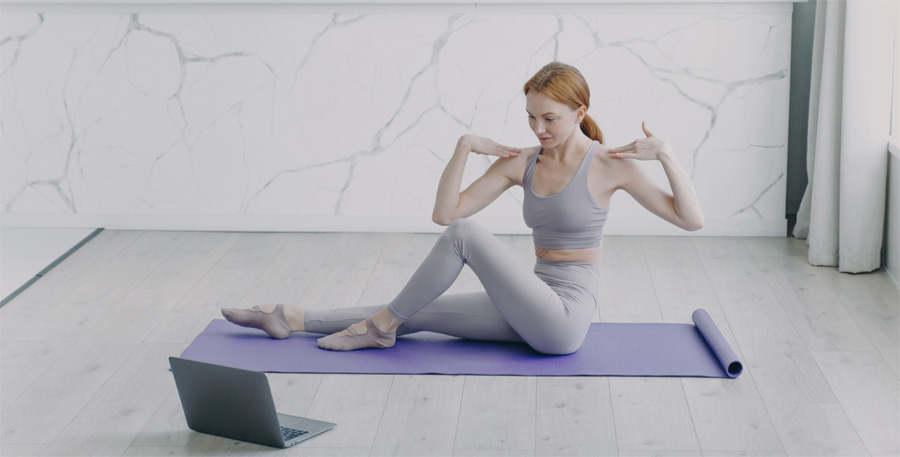
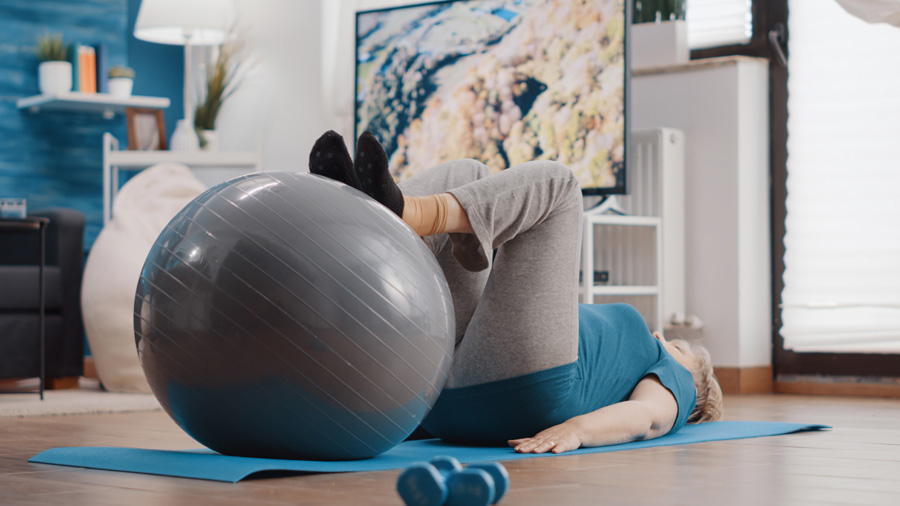
'Prehab' is a preventative approach designed to reduce the risk of injury and pain. It's the proactive counterpart to rehabilitation ('rehab'), focusing on preventing injuries rather than treating them after they occur. Here's why prehab is important:

  • Injury Prevention: Prehab's main objective is to minimize the chances of injury by strengthening the body, especially in areas vulnerable to specific sports or activities.
  • Strength and Flexibility Enhancement:...
BY
Gregory Beale
18
Aug

Core muscles play an important role in lower back treatments because they provide stability and support to the spine. When the core muscles are weak, the spine is at risk of injury, and back pain can occur. Therefore, strengthening the core muscles can help to improve the stability and support of the spine, which can help to alleviate lower back pain and improve overall function.

Core muscles exercises, also known as 'core stabilization exercises' target the muscles of the...

BY
Gregory Beale
19
May

Augmented reality (AR) is a technology that overlays digital information on top of the real world, while virtual reality (VR) creates a completely immersive digital environment. While AR and VR are often used interchangeably, they are distinct technologies with different applications. In physical therapy, Augmented Reality can be used as an additional tool to enhance the therapy experience, as it allows physiotherapists to provide visual feedback or instructions to the patient, while they are...

BY
Peter Hrabanski
28
Apr

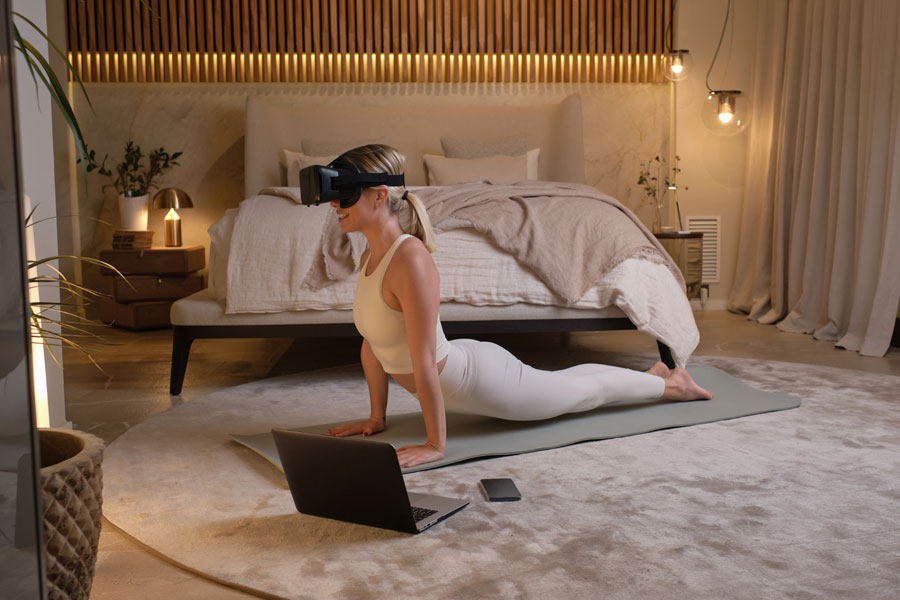
VR technology is currently used in physical therapy to help patients with pain management, rehabilitation, and motor skill training. For example, VR can be used to simulate exercises and movements that are difficult or painful to perform in real life, allowing patients to safely and comfortably perform therapy at home. In the future, it is predicted that VR will continue to be used in physical therapy and will become even more widely adopted as technology improves and costs decrease. Additionally,...

BY
Peter Hrabanski
Follow us on LinkedIn